


A stripped hex socket screw can be difficult to remove because the internal hexagonal recess no longer provides enough contact for an Allen key or hex key. The problem can occur when the wrong tool size is used, excessive torque is applied, the socket is contaminated, or the fastener has become seized. Fortunately, there are several ways to remove a stripped hex Socket head cap screw, and the best method depends on how severely the socket is damaged and how accessible the screw is.
For a lightly damaged socket head cap screw, start with the least aggressive method. A properly sized Allen key, penetrating lubricant, light tapping, or a Torx bit may be enough. If the internal socket is badly rounded, mechanical extraction or drilling may be required.
What Causes a Hex Socket Screw to Strip?
A hex socket screw strips when the tool can no longer transfer sufficient torque through the internal hexagonal recess. One common cause is using an Allen key that is too small or using an imperial tool on a metric screw, or vice versa. Even a small dimensional mismatch can reduce the contact area between the tool and the socket.
Dirt, rust, paint, corrosion, and debris inside the socket can also prevent the Allen key from seating completely. Applying too much force before the tool is fully engaged can damage the corners of the hex recess. This is particularly important with small fasteners, where the internal socket is relatively small.
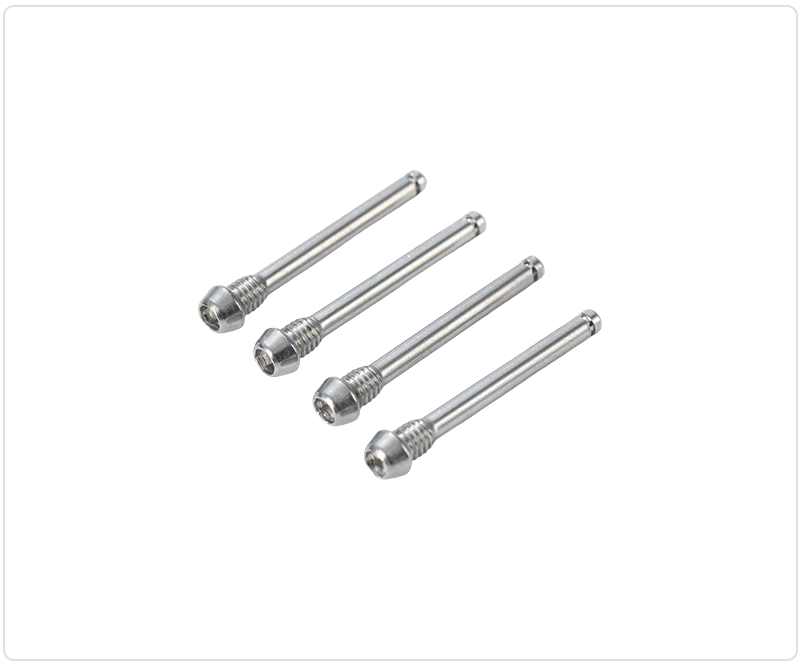
A hexagon socket head cap screw is designed to be driven through its internal hexagonal socket. Once that socket becomes rounded, the normal Allen key connection becomes unreliable.
How Do You Remove a Stripped Hex Socket Screw?
1. Clean the Hex Socket
Before using a more aggressive removal method, clean the internal socket. Remove dirt, metal particles, rust, paint, or other debris with a pick, small brush, or compressed air where appropriate. The goal is to expose as much of the original hexagonal recess as possible.
Cleaning is especially important if the screw has been installed in machinery, tooling, automotive components, or other environments where contamination can accumulate around the fastener.
2. Try the Correct Allen Key
Select the exact Allen key or hex key size specified for the screw. Push it firmly into the socket and make sure it reaches the bottom of the recess before applying torque.
Do not immediately use a longer wrench or apply excessive force. If the tool begins to slip, stop and move to another removal method. Repeatedly turning a partially engaged tool can make the damage worse.
3. Apply Penetrating Lubricant
If corrosion or thread seizure is suspected, apply an appropriate penetrating lubricant around the threaded area. Allow sufficient time for the lubricant to work before attempting removal again.
This method is useful when the internal socket is damaged but the primary resistance comes from corrosion or seized threads rather than the screw head itself.
4. Tap in a Slightly Oversized Bit
For a moderately stripped socket, a suitable Torx or similar bit can sometimes be driven carefully into the damaged recess. The goal is to create enough mechanical engagement to transmit torque.
The bit should be selected carefully. It should not be so large that it damages the surrounding component or creates excessive force on the screw head. After seating the bit, turn it slowly and steadily rather than applying sudden impact.
5. Use a Screw Extractor
A screw extractor is another option when the internal hex socket is severely damaged. Depending on the extractor design, a pilot hole may need to be drilled into the screw before the extractor is inserted.
Work carefully and keep the drill aligned with the center of the fastener. An off-center hole can damage the surrounding threaded hole and make repair more difficult.
6. Drill Out the Screw
Drilling should generally be considered a later-stage method because it can damage both the fastener and the component. Select a drill bit appropriate for the screw material and work slowly.
Once the head of the socket head screw has been removed, the clamped component may be separated. The remaining threaded portion can sometimes be removed with pliers or another extraction method if enough of it is exposed.
Can You Remove a Stripped Hex Socket Screw Without Drilling?
Yes. Drilling is not always necessary. If the socket is only partially damaged, a correctly sized Allen key, penetrating lubricant, a carefully selected Torx bit, or a screw extractor may work.
The less destructive methods should normally be attempted first, especially when the screw is installed in an expensive machine component or a part that would be difficult to replace.
How Can You Prevent a Hex Socket Head cap screw from Stripping?
Prevention starts with selecting the correct tool. Always use the specified hex key or Allen key size and ensure that the tool is fully seated in the socket before applying torque.
Keep the internal socket clean and inspect both the screw and tool for wear. If the corners of an Allen key are visibly rounded, replace the tool rather than continuing to use it.
It is also important to follow the appropriate tightening torque for the specific fastener, material, thread size, and application. Avoid using excessive force simply because a screw feels difficult to turn.
Hex Socket Screw Removal: Method Comparison
| Method | Best For | Risk Level |
|---|---|---|
| Correct Allen key | Lightly damaged socket | Low |
| Penetrating lubricant | Corroded or seized threads | Low |
| Torx bit | Moderately stripped socket | Medium |
| Screw extractor | Severely damaged socket | Medium |
| Drilling | Heavily damaged or seized screw | High |
Frequently Asked Questions
What is a stripped hex socket screw?
A stripped hex socket screw is a screw whose internal hexagonal drive recess has become rounded or damaged, preventing an Allen key from engaging properly.
Can an Allen screw be reused after the socket is stripped?
A severely stripped Allen screw should generally not be reused. A damaged drive recess can make future installation and removal unreliable.
What is the difference between an Allen screw and a socket head cap screw?
The terms are often used interchangeably in general conversation, but a socket head cap screw specifically describes a fastener with a cylindrical head and internal socket drive. “Allen screw” is a common informal term referring to a screw driven with a hex key.
What should you do if the hex socket screw will not come out?
Stop applying excessive torque if the socket continues to slip. Clean the recess, verify the tool size, consider penetrating lubricant, and then move to a suitable extraction method if necessary.
Conclusion
Removing a stripped hex socket head cap screw is easier when the removal method matches the degree of damage. Start with cleaning and the correct Allen key, then consider lubricant, an alternative drive bit, a screw extractor, or drilling if the socket is severely damaged. Taking a gradual approach helps reduce the risk of damaging the surrounding component or threaded hole.
