


A press fit stud is a fastening component designed to be installed into a prepared hole by applying controlled mechanical pressure rather than using a conventional screw thread or nut. Once inserted, the stud is held in position through an interference fit, knurled section, serrated body, or other mechanical locking feature. Press on Studs and press fit studs are commonly used in manufacturing where fast, repeatable, and secure component installation is required. Depending on the design, press fit studs can be used in sheet metal, plastic components, automotive parts, electrical equipment, machinery, enclosures, and industrial assemblies.
What Is a Press Fit Stud?
A press fit stud is a stud-shaped fastening element that is mechanically inserted into a hole. Unlike a conventional threaded bolt that is tightened using a nut, a press fit stud is normally retained by the interaction between the stud body and the surrounding material.
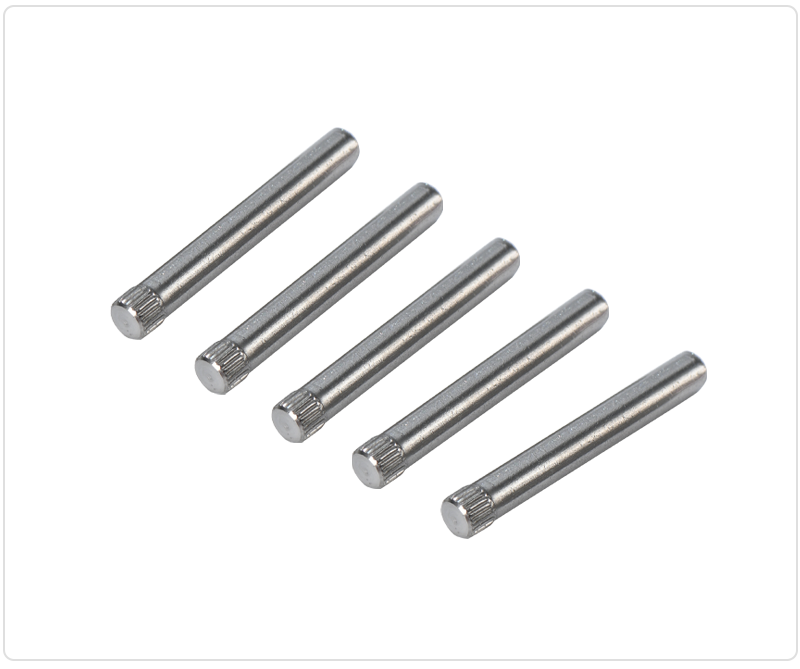
The stud may contain a knurled, serrated, ribbed, or specially shaped section. During installation, this section creates interference with the hole wall. The resulting mechanical engagement prevents the stud from rotating or being pulled out under normal operating conditions.
Press fit studs are available in different diameters, lengths, thread sizes, materials, and head configurations. The correct design depends on the material being assembled and the required load capacity.
How Does a Press Fit Stud Work?
The basic working principle is relatively simple. A hole is prepared in the component according to the manufacturer's specified dimensions. The press fit stud is then positioned over the hole and pushed into place using controlled force.
As the stud enters the hole, its retaining section creates interference with the surrounding material. This interference generates radial pressure and friction, helping secure the stud in position.
Unlike a screw, the stud itself does not necessarily need to be rotated during installation. This can make press fit fastening suitable for high-volume production where manufacturers want to reduce assembly time.
What Is the Difference Between a Press Fit Stud and a Screw?
A press fit stud and a screw both provide fastening functions, but their installation principles are different.
A screw is normally installed by rotating the threaded component into a mating thread or through a nut. A press fit stud is inserted by applying axial force into a prepared hole.
| Feature | Press Fit Stud | Conventional Screw |
|---|---|---|
| Installation | Pressed into a prepared hole | Rotated into a thread or nut |
| Primary retention | Interference and mechanical engagement | Thread engagement |
| Assembly speed | Suitable for rapid installation | Depends on screw and tooling |
| Typical use | Sheet metal and industrial assemblies | General mechanical fastening |
| Installation tooling | Press or controlled insertion equipment | Screwdriver, driver, or automated tool |
What Are Press Fit Studs Used For?
Press fit studs are used across many manufacturing industries where a permanent or semi-permanent mounting point is required.
1. Sheet Metal Assemblies
Press fit studs are frequently used in sheet metal fabrication. They can create threaded mounting points or attachment locations without requiring a separate nut.
This is particularly useful for electrical cabinets, control panels, metal housings, brackets, and industrial enclosures where internal access may be limited.
2. Automotive Manufacturing
Automotive manufacturers use press fit Fastening Components in various body, interior, electrical, and mechanical assemblies. Depending on the design, studs can provide attachment points for panels, brackets, cables, clips, and other components.
Automotive applications often require consistent installation force, dimensional accuracy, vibration resistance, and long-term reliability.
3. Electrical and Electronic Equipment
Press fit studs can be incorporated into electrical enclosures, control equipment, mounting panels, and other assemblies. They provide a fixed point for attaching components without adding a separate loose nut.
4. Industrial Machinery
Machinery manufacturers can use press fit studs for mounting guards, brackets, covers, panels, and other components. Their suitability depends on the expected mechanical load and the base material.
What Materials Can Be Used With Press Fit Studs?
Press fit studs are commonly used with sheet metals and other materials that can withstand the installation force and maintain sufficient interference after assembly.
Common base materials include mild steel, stainless steel, aluminum, and other metal sheets. Certain press fit fastening systems can also be designed for specific plastics or composite materials.
Material thickness is an important consideration. A stud designed for thin sheet metal may not provide the required retention in a thicker or softer material. Manufacturers should therefore use the installation specifications supplied for the specific stud design.
Press on Studs vs. Press Fit Studs
The terms press on studs and press fit studs can sound similar, but they may describe different fastening products depending on the industry and supplier terminology.
Press fit studs generally refer to studs installed into a hole through an interference-fit principle. Press on studs can be a broader term for stud-style components that are installed or attached by pressing.
For purchasing purposes, buyers should confirm the exact product structure, installation method, dimensions, material, and application rather than relying only on terminology.
Advantages of Press Fit Studs
Fast Installation
Press fit studs can be installed quickly with suitable production equipment. This makes them attractive for applications where assembly speed is important.
No Separate Nut Required
Many threaded press fit studs provide an integrated mounting point. This can reduce the number of loose fastening components required during assembly.
Consistent Assembly
When installed using controlled equipment, press fit studs can provide consistent positioning and repeatable installation results across large production volumes.
Space Efficiency
A press fit stud can provide a compact fastening solution when access to the rear side of a panel is limited.
Factors to Consider When Selecting a Press Fit Stud
Choosing a suitable press fit stud requires more than selecting a thread size. Manufacturers should evaluate the complete assembly requirements.
Base material
Material thickness
Hole diameter
Stud diameter and length
Thread size
Required pull-out resistance
Resistance to rotation
Installation force
Operating temperature
Corrosion resistance
Surface treatment
Production volume
For high-volume manufacturing, installation consistency is especially important. The hole dimensions and press equipment should be controlled carefully because excessive clearance or insufficient interference can reduce retention performance.
How Are Press Fit Studs Installed?
Installation normally begins by creating a hole with the dimensions specified for the particular stud. The stud is then aligned with the hole and pressed into the base material using an appropriate tool or machine.
The applied force should be sufficient to seat the stud correctly without damaging the surrounding material. For production applications, pneumatic, hydraulic, or mechanical presses may be used to provide repeatable installation.
After installation, manufacturers may inspect the stud position, seating condition, thread quality, and retention performance. Critical applications may also require pull-out or torque testing according to the applicable engineering requirements.
Common Applications for Press on Studs and Press Fit Studs
Stud-style fastening products can be found in many industries, including:
Automotive components
Sheet metal fabrication
Electrical enclosures
Electronic equipment
Industrial machinery
HVAC equipment
Control cabinets
Metal furniture
Appliances
General industrial assemblies
Frequently Asked Questions
Is a press fit stud permanent?
Many press fit studs are designed to remain securely installed during the service life of the assembly. Whether they should be considered permanent depends on the specific product design, base material, and application.
Can press fit studs be used in aluminum?
Yes. Certain press fit studs are specifically designed for aluminum and other relatively soft metals. The stud and hole specifications must be matched to the base material to achieve appropriate retention.
Do press fit studs need threads?
Not necessarily. Some press fit studs are threaded to provide a mounting point for another component, while other stud designs may have different attachment features.
How do I choose the correct press fit stud?
Start with the base material, material thickness, hole size, required thread, load requirements, environmental conditions, and installation equipment. The manufacturer's technical specifications should then be used to select the appropriate stud.
Conclusion
A press fit stud is a practical fastening component designed for mechanical installation into a prepared hole. By using interference and mechanical engagement, it can provide a reliable mounting point without requiring conventional screw installation. For manufacturers looking for efficient assembly solutions, press on studs and press fit studs can offer advantages in installation speed, space efficiency, and production consistency. The most suitable product depends on the base material, dimensions, load requirements, environmental conditions, and installation process. Proper product selection and controlled installation are essential for achieving reliable long-term performance.
