


A six-lobe screw — commonly known by the trademarked name Torx — uses a star-shaped drive with six rounded points instead of a hex or cross recess. That shape distributes torque more evenly across the drive surface, which means less cam-out, less stripped heads, and higher torque transfer than a standard Phillips or hex socket screw of the same size. This makes it the preferred choice for lightweight, high-vibration assemblies like sports helmets, wearable devices, and automotive interiors, where a stripped screw during assembly or field use isn't an option.
Six-Lobe (Torx) vs. Hex vs. Phillips: Key Differences
| Factor | Six-Lobe (Torx-style) | Hex Socket | Phillips |
|---|---|---|---|
| Torque transfer | Highest — six contact points spread load evenly | High — good for high torque, less contact area than six-lobe | Lower — prone to slipping under high torque |
| Cam-out resistance | Very low cam-out, minimal driver slippage | Low cam-out with proper-fit hex key | High cam-out risk, especially at scale |
| Tool required | Torx/six-lobe bit | Hex key or Allen wrench | Phillips screwdriver |
| Best for | Automated assembly, high-vibration, lightweight components | General industrial fastening, precision assemblies | Low-torque, general-purpose fastening |
How Six-Lobe Drive Works
The six-point star recess (technically called a hexalobular socket) engages the driver bit across six rounded lobes rather than six flat sides or a cross. That geometry keeps the driver seated under load, which is why six-lobe screws resist cam-out — the upward force that pushes a driver bit out of a Phillips or slotted screw as torque increases. Less cam-out means less operator fatigue during high-volume assembly and fewer stripped heads during field maintenance.
Where Six-Lobe Screws Are Used
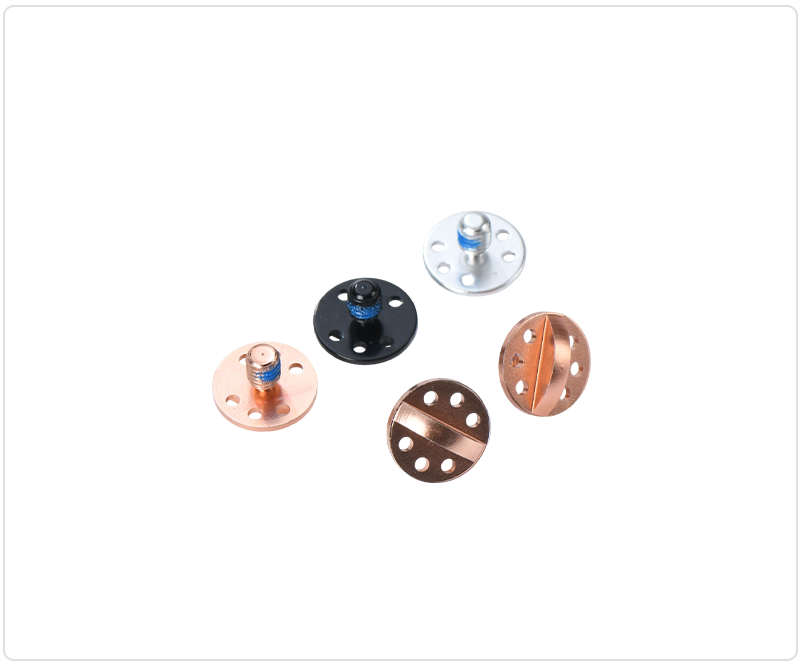
AOYI's six-hole special head screw (M4.0×6.0, aluminum, anodized orange-red finish, with 180°-resistant blue thread-locking glue) is engineered specifically for sports helmet assembly, where lightweight construction, vibration resistance, and long-term reliability are critical. The same drive type extends well beyond helmets:
Sports equipment and helmets: lightweight aluminum construction with high vibration resistance
Wearable devices: compact, precise assemblies where consistent torque control matters
Automotive interiors: high-vibration environments where cam-out during assembly line production is costly
Lightweight mechanical assemblies: applications needing reliable fastening without added weight
Need a six-lobe screw manufactured to a specific size, material, or finish? Send us your drawing or application details, and we'll confirm feasibility and lead time within 24 hours.
Material and Finish Options
Aluminum construction keeps weight down without sacrificing strength for lightweight applications like helmets and wearables, while anodized finishes add both color customization and surface hardness. Thread-locking treatments — such as a heat-resistant thread-locking glue rated for repeated use — help prevent loosening in high-vibration environments without requiring a separate locking washer or compound applied during assembly.
Looking to source six-lobe screws for a new product line? Tell us your material, finish, and application, and we'll put together a sample and quote.
Frequently Asked Questions
1. What is a six-lobe (Torx) screw used for?
Six-lobe screws are used wherever high torque transfer and cam-out resistance matter — commonly in sports helmets, wearable devices, automotive interiors, electronics, and lightweight mechanical assemblies that face vibration during use or automated assembly.
2. Why use a six-lobe screw instead of Phillips or hex?
The six-point star drive spreads torque more evenly than a Phillips cross or hex socket, reducing cam-out and stripped heads under high torque. This makes it a better fit for automated production lines and high-vibration applications where a stripped fastener is costly.
3. Is "Torx" the correct name for this screw type?
Torx is a trademarked brand name for this drive style. The generic, non-trademarked terms are six-lobe, hexalobular, or star drive screw — all referring to the same six-point drive geometry.
4. Can six-lobe screws be customized for specific applications?
Yes. Material (such as aluminum for lightweight applications), finish and color (via anodizing), and thread-locking treatment can all be customized based on the target application — from helmet assembly to automotive interior trim.
