


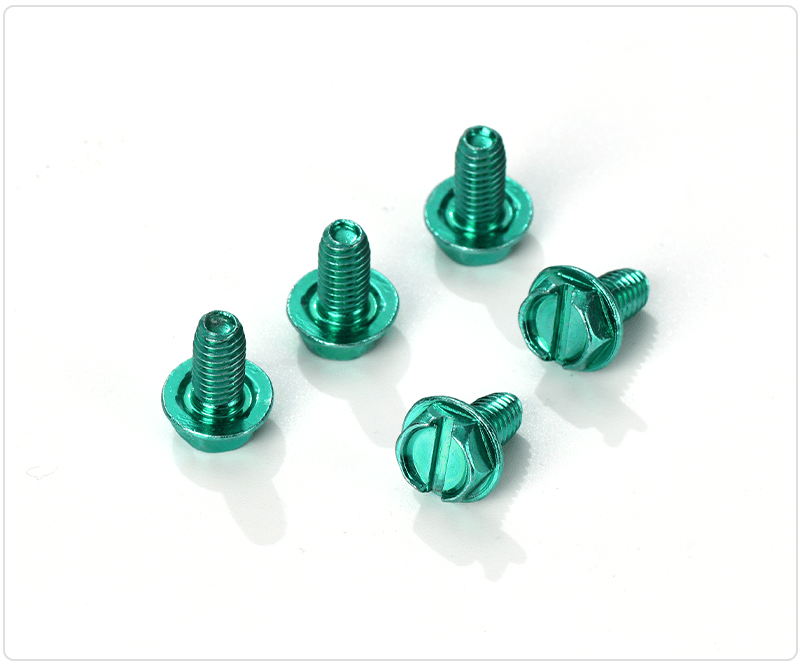
A Hex Connector Screw is specifically designed for connector systems and mechanical assemblies where stable fastening, precise positioning, and reliable connection performance are required. Compared with a standard screw, a Hex Connector Screw usually features a hexagonal head or hexagonal drive structure that allows better torque control and easier installation. It is commonly used in electrical connectors, industrial equipment, automation systems, and precision components. Standard screws are general-purpose fasteners, while Hex Connector Screws are developed for applications requiring stronger connection stability, better assembly efficiency, and customized specifications.
What Is a Hex Connector Screw?
A Hex Connector Screw is a specialized fastening component used to connect, secure, or fix different parts within mechanical and electrical assemblies. Unlike common screws designed for general fastening purposes, Hex Connector Screws are often engineered according to specific application requirements, including connection strength, installation space, material compatibility, and environmental conditions.
The hexagonal structure provides a practical solution for tightening and loosening operations. Using a hex tool or compatible driver, operators can apply controlled torque during installation, helping maintain consistent fastening performance. This feature makes Hex Connector Screws suitable for applications where connection accuracy and stability are important.
Key Differences Between Hex Connector Screw and Standard Screw
The main difference between a Hex Connector Screw and a standard screw lies in their design purpose, structural features, and application requirements.
Standard screws are widely used across various industries for everyday fastening tasks, such as furniture assembly, equipment fixing, and general mechanical connections. They are available in many shapes and sizes but are usually designed for basic fastening functions.
A Hex Connector Screw is developed for more specialized connection scenarios. The hexagonal drive or head design provides improved grip during installation, reducing the possibility of tool slipping. This allows manufacturers and engineers to achieve more consistent tightening results, especially in production environments where multiple components need to be assembled repeatedly.
Another difference is customization capability. Many Hex Connector Screw applications require specific dimensions, thread types, surface treatments, or materials. A professional Hex Connector Screw Manufacturer can provide customized solutions based on equipment design and customer requirements.
Structural Features of Hex Connector Screw
The structure of a Hex Connector Screw generally includes several important parts:
Hexagonal Head or Drive:
The hexagonal design allows tools to apply torque effectively. It is suitable for applications requiring repeated installation and maintenance.
Threaded Section:
The thread design determines how the screw engages with the connected component. Different thread specifications can be selected according to the application.
Material Selection:
Hex Connector Screws may be manufactured using stainless steel, carbon steel, alloy steel, or other materials depending on strength, corrosion resistance, and working conditions.
Surface Treatment:
Coatings such as zinc plating or other surface finishes can improve appearance, durability, and resistance to environmental factors.
A professional Hex Connector Screw Factory usually provides different production options to meet various industrial requirements.
Applications of Hex Connector Screws
Hex Connector Screws are commonly used in industries where secure and accurate connections are needed.
In electrical and electronic equipment, they are used for connector assemblies, terminal blocks, control systems, and precision components. Their stable fastening characteristics help maintain proper positioning between connected parts.
In industrial automation, Hex Connector Screws are used in machinery, sensors, equipment frames, and modular structures. Manufacturing companies often choose customized fasteners to match their equipment design.
In automotive, robotics, and mechanical engineering fields, these screws support component assembly where vibration resistance and fastening consistency are important.
For projects requiring unique dimensions or special materials, customers often work with a Hex Connector Screw Supplier to develop a suitable fastening solution.
Why Choose Custom Hex Connector Screws?
Different industries may have different requirements for screw size, thread specifications, material grade, and surface treatment. A standard screw may not always meet these specific needs.
A Custom Hex Connector Screw allows engineers to adjust product specifications according to the application. Custom options may include:
Customized dimensions
Special thread designs
Different material choices
Specific surface finishes
OEM packaging and labeling
Working with an experienced OEM Hex Connector Screw supplier allows businesses to develop products that match their assembly requirements while improving production efficiency.
How to Select the Right Hex Connector Screw?
When selecting a Hex Connector Screw, several factors should be considered:
Application Environment:
Consider whether the screw will be used indoors, outdoors, under vibration, or in environments with moisture or chemicals.
Material Requirements:
Choose suitable materials according to strength and corrosion resistance requirements.
Size and Thread Specification:
The correct diameter, length, and thread type are important for achieving proper connection performance.
Supplier Capability:
A reliable manufacturer should provide quality control, customization services, and production experience.
The difference between a Hex Connector Screw and a standard screw is mainly related to design purpose, installation method, and application requirements. While standard screws are suitable for general fastening tasks, Hex Connector Screws are designed for specialized assemblies requiring controlled tightening, stable connections, and customized solutions.
Choosing an experienced Hex Connector Screw Manufacturer or supplier can help businesses obtain suitable fastening products for industrial, electrical, and mechanical applications.
