


A Hex Connector Screw improves connection strength through its specialized hexagonal design, controlled torque application, stable engagement, and customizable structure. Compared with ordinary fastening screws, it allows tools to apply more precise tightening force, reducing loose connections caused by vibration or improper installation. Its thread design, material selection, and manufacturing accuracy also contribute to stronger and more stable assemblies. Hex Connector Screws are widely used in industrial equipment, connectors, automation systems, and precision components where secure fastening performance is required.
Understanding the Connection Performance of Hex Connector Screw
Connection strength is an important factor in mechanical and industrial assemblies. A weak fastening solution may cause component movement, vibration problems, or reduced equipment performance. This is why many manufacturers choose specialized fastening components such as Hex Connector Screws.
A Hex Connector Screw is designed to provide stable fastening through optimized structural features. The hexagonal design enables better interaction between the tool and screw, allowing installers to apply consistent torque during assembly.
For industries requiring precise connections, selecting the right Hex Connector Screw Manufacturer is essential because manufacturing accuracy directly affects final assembly performance.
How Hex Design Improves Fastening Stability
One of the main advantages of a Hex Connector Screw is its hexagonal drive structure.
Compared with traditional screw designs, the hex shape provides multiple contact points between the screw and installation tool. This helps reduce slipping during tightening and allows operators to apply controlled force.
Consistent torque is important because insufficient tightening may cause loose connections, while excessive tightening may damage components. Hex Connector Screws help create a balanced fastening process, making them suitable for applications requiring repeatable assembly results.
The Role of Thread Design in Connection Strength
The thread structure of a Hex Connector Screw plays an important role in maintaining connection stability.
A properly designed thread improves engagement between the screw and the connected component. Different thread pitches, diameters, and lengths can be selected depending on the application requirements.
For example, industrial equipment exposed to vibration may require specific thread designs to maintain fastening performance over long periods.
A professional Hex Connector Screw Supplier can recommend suitable thread specifications based on the customer's assembly conditions.
Material Selection and Durability
The material of a Hex Connector Screw directly influences its mechanical performance.
Common materials include:
Stainless steel for applications requiring corrosion resistance
Carbon steel for general mechanical fastening
Alloy materials for higher strength requirements
Different working environments require different material solutions. For example, electrical equipment, outdoor devices, and industrial machinery may require different levels of durability.
A reliable Hex Connector Screw Factory can provide multiple material options and surface treatment solutions according to customer needs.
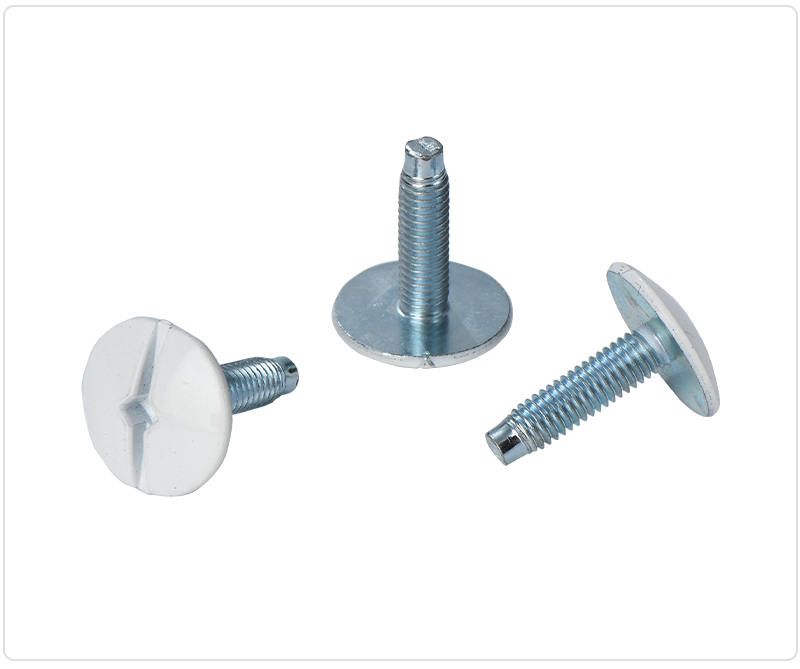
Applications Requiring Strong Connections
Hex Connector Screws are commonly used in industries where connection reliability is important.
In automation equipment, they help secure mechanical modules, sensors, and structural components.
In electrical systems, they are used for connector assemblies and terminal components where accurate positioning is required.
In machinery manufacturing, they support equipment assembly by maintaining stable connections between different parts.
Many companies choose OEM Hex Connector Screw solutions because customized designs can better match their products and production processes.
Customization for Specific Connection Requirements
Not every application can use standard fastening products. Some equipment requires special screw dimensions, thread specifications, or surface finishes.
A Custom Hex Connector Screw provides flexibility for different engineering requirements. Custom manufacturing may include:
Special screw dimensions
Customized head designs
Different thread options
Specific material grades
Surface treatment requirements
By working with an experienced manufacturer, companies can develop fastening solutions that fit their products more accurately.
Factors Affecting Hex Connector Screw Performance
Several factors influence the final connection strength:
Installation Torque:
Correct torque ensures the screw creates proper clamping force without damaging components.
Manufacturing Precision:
Accurate dimensions and consistent production quality help maintain stable assembly performance.
Material Compatibility:
The screw material should match the connected components to prevent performance issues.
Working Conditions:
Temperature, vibration, moisture, and load conditions should be considered when selecting screws.
Choosing the Right Hex Connector Screw Partner
Selecting a suitable supplier is important for companies requiring reliable fastening solutions.
A professional supplier should have experience in screw production, customization capability, quality inspection processes, and OEM service support.
A trusted Hex Connector Screw Manufacturer can help customers select appropriate designs and provide solutions for different industries.
A Hex Connector Screw improves connection strength through its hexagonal structure, precise torque control, optimized thread design, and flexible customization options. These features make it suitable for industrial, electrical, and mechanical applications where stable fastening performance is required.
For businesses looking for customized fastening solutions, cooperating with an experienced Hex Connector Screw Factory or OEM supplier can help achieve better assembly results and meet specific product requirements.
