


What Surface Finishes Are Available for Socket Head Cap Screws?
Socket head cap screws are available with a variety of surface finishes to improve corrosion resistance, wear resistance, appearance, and service life. Common finishes include black oxide, zinc plating, nickel plating, chrome plating, phosphate coating, hot-dip galvanizing, and PTFE coating. Each finish is designed for different working environments, from indoor machinery to outdoor construction and marine applications. Choosing the right finish depends on factors such as humidity, temperature, chemical exposure, and mechanical requirements. An experienced Socket Head Cap Screw Supplier can recommend the most suitable surface treatment for your application while ensuring compliance with international quality standards.
Why Surface Finish Matters
The surface finish of a socket head cap screw affects much more than its appearance. It directly influences corrosion resistance, friction, wear performance, and the overall service life of the fastener. Even high-strength alloy steel screws can fail prematurely if they are exposed to moisture or chemicals without proper protection.
Professional Socket Head Cap Screw Manufacturers offer multiple finishing options to match different industries, including automotive, industrial machinery, electronics, renewable energy, and construction equipment.
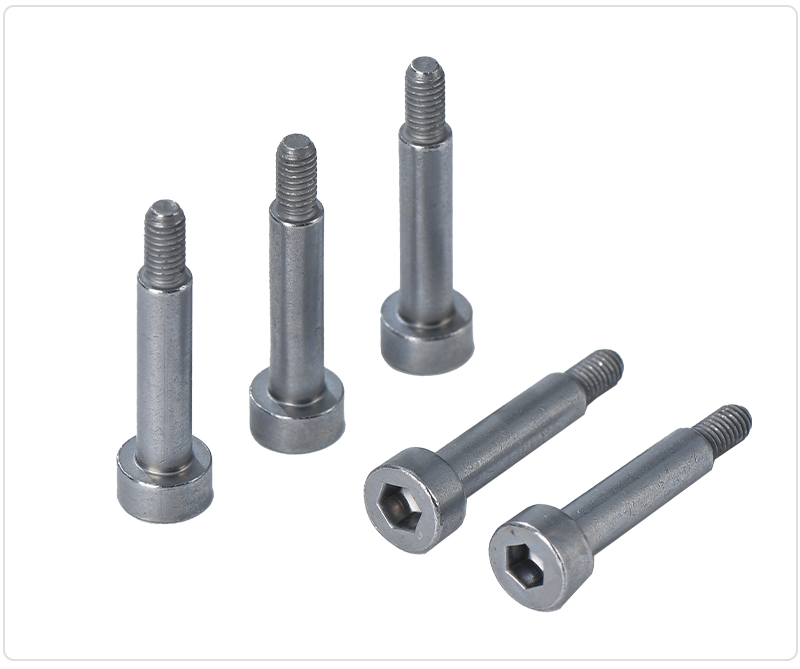
Black Oxide Finish
Black oxide is one of the most widely used finishes for socket head cap screws manufactured according to DIN 912 and ISO 4762 standards. The process creates a thin black protective layer without changing the dimensions of the screw.
Advantages include:
Maintains precise thread dimensions
Reduces light reflection
Provides moderate corrosion resistance when used with protective oil
Suitable for precision machinery
Black oxide screws are commonly used in CNC machines, molds, automation equipment, and industrial tools where dimensional accuracy is essential.
Zinc Plated Finish
Zinc plating is one of the most economical surface treatments available. A thin zinc layer protects the steel from rust by acting as a sacrificial coating.
Its main benefits include:
Good corrosion resistance for indoor environments
Bright and clean appearance
Cost-effective production
Suitable for mass manufacturing
Many automotive parts, electrical cabinets, furniture hardware, and industrial equipment use zinc-plated socket head cap screws because they provide a balance between protection and cost.
Nickel Plated Finish
Nickel plating provides improved corrosion resistance and an attractive metallic finish. It also offers better hardness than standard zinc plating.
Nickel-plated socket head cap screws are frequently used in decorative equipment, electronic products, precision instruments, and medical devices where both durability and appearance are important.
Chrome Plated Finish
Chrome plating produces a hard, bright surface with excellent wear resistance. Compared with nickel plating, chrome offers better scratch resistance and maintains its appearance over time.
Typical applications include:
Automotive accessories
Industrial equipment
Display fixtures
Decorative mechanical components
Phosphate Coating
Phosphate coating creates a protective conversion layer that improves lubrication during assembly while providing moderate corrosion protection.
This finish is commonly used before painting or additional protective coatings and is widely applied to automotive fasteners and heavy industrial machinery.
Hot-Dip Galvanized Finish
For outdoor applications, hot-dip galvanizing provides one of the highest levels of corrosion protection. A thick zinc coating shields the fastener from moisture, rain, and harsh weather conditions.
Hot-dip galvanized socket head cap screws are commonly found in:
Steel structures
Solar mounting systems
Wind power projects
Bridges
Outdoor equipment
Although the coating is thicker than electroplated zinc, it significantly extends the service life of fasteners exposed to outdoor environments.
PTFE Coating
PTFE coating is designed for applications requiring low friction and excellent chemical resistance. The coating reduces tightening torque while helping prevent galling during installation.
Industries such as chemical processing, offshore engineering, food equipment, and pharmaceutical manufacturing often choose PTFE-coated socket head cap screws.
Stainless Steel Socket Head Cap Screws
Instead of applying an additional coating, many buyers select stainless steel socket head cap screws because the material itself provides natural corrosion resistance. Grades such as SUS304 and SUS316 are widely used in marine environments, food processing equipment, and medical devices.
Working with an experienced Socket Head Cap Screw Company allows buyers to compare coated carbon steel fasteners with stainless steel solutions based on performance requirements and budget.
How to Choose the Right Surface Finish
Selecting the correct surface finish depends on several factors, including operating environment, exposure to moisture, required service life, and maintenance expectations.
Indoor machinery: Black oxide or zinc plating
General industrial equipment: Zinc plating or phosphate coating
Decorative products: Nickel or chrome plating
Outdoor construction: Hot-dip galvanizing
Chemical industries: PTFE coating
Marine environments: Stainless steel
A qualified Socket Head Cap Screw Factory can also provide customized surface treatments according to customer specifications and international standards.
Surface finishes play a critical role in the performance and lifespan of socket head cap screws. From black oxide and zinc plating to nickel plating, chrome plating, phosphate coating, hot-dip galvanizing, PTFE coating, and stainless steel materials, each option offers unique advantages for different working environments. Choosing the appropriate finish not only improves corrosion resistance but also enhances reliability and reduces long-term maintenance costs.
Whether sourcing standard DIN 912 fasteners or custom products, partnering with a trusted socket head cap screw supplier, Socket Head Cap Screw Manufacturer, Socket Head Cap Screw Factory, Socket Head Cap Screw Company, or Socket Head Cap Screw Exporter helps ensure your fastening solution meets both technical and commercial requirements.
F&Q
1. Which surface finish provides the best corrosion resistance?
Hot-dip galvanizing, PTFE coating, and stainless steel generally provide the highest corrosion resistance, depending on the application.
2. Is black oxide suitable for outdoor use?
Black oxide is primarily recommended for indoor applications unless additional protective oil or coatings are applied.
3. What is the difference between zinc plating and nickel plating?
Zinc plating is more economical and offers good corrosion protection, while nickel plating provides better hardness and a brighter decorative finish.
4. Can surface finishes affect screw dimensions?
Most electroplated coatings have minimal impact on dimensions, while hot-dip galvanizing creates a thicker coating that may require thread adjustments.
5. How do I choose the right Socket Head Cap Screw Supplier?
Select a supplier with strong manufacturing capabilities, quality certifications, material traceability, customization services, and experience serving your industry.
